CDD Waiver vs FSW Waiver in Nebraska: Which One Does Your Family Need?
This guide breaks down the differences between Nebraska's Comprehensive Developmental Disability
If you're the parent of a child or adult with intellectual or developmental disabilities in Nebraska, you've probably heard about "waivers" — specifically the CDD waiver and the FSW waiver. Maybe your case manager mentioned them. Maybe another parent brought them up at an IEP meeting. Maybe you've been researching online and keep seeing these acronyms without a clear explanation of what they actually mean or which one your family needs.
Here's the truth: Nebraska's waiver system is confusing. The names don't help. The eligibility criteria overlap in some places and diverge in others. And the stakes feel high because choosing the wrong path could mean your loved one doesn't get the support they need.
This guide breaks down the differences between Nebraska's Comprehensive Developmental Disability (CDD) Waiver and Family Support Waiver (FSW) in plain language — what each one covers, who qualifies, and how to know which one makes sense for your family.
What Are Medicaid Waivers and Why Do They Matter?
Before we compare the two waivers, let's start with the basics.
Medicaid waivers are programs that allow states to "waive" certain Medicaid rules so they can provide home and community-based services to people who would otherwise need institutional care. Instead of requiring someone to live in a facility to access services, waivers allow individuals with disabilities to receive support in their own homes and communities.
In Nebraska, these waivers are managed through the Department of Health and Human Services (DHHS) and provide funding for services like personal care, residential support, skill-building, therapies, and more.
For families, waivers can be life-changing. They open doors to services that wouldn't otherwise be affordable. They make it possible for adults with IDD to live independently or in family-style settings rather than institutions. They provide respite for exhausted caregivers. They fund the therapies and supports that help individuals reach their potential.
But not all waivers are the same.
CDD Waiver: Comprehensive Support for Complex Needs
The Comprehensive Developmental Disability (CDD) Waiver is Nebraska's most robust waiver program for individuals with intellectual and developmental disabilities. It's designed for people who need significant, ongoing support across multiple areas of life.
Who Qualifies for the CDD Waiver?
To be eligible for the CDD waiver, an individual must:
Have a developmental disability (diagnosed before age 22)
Require the level of care typically provided in an ICF/DD (Intermediate Care Facility for Individuals with Developmental Disabilities)
Meet financial eligibility requirements (based on the individual's income, not family income for adults)
The "level of care" requirement is key. This means the individual needs substantial assistance with activities of daily living, health and safety supervision, or behavioral support. It's the waiver for people with more intensive or complex needs.
What Services Does the CDD Waiver Cover?
The CDD waiver offers the widest range of services, including:
Residential Services:
Residential Habilitation (24/7 support in a group home or shared living setting)
Supported Living (support for individuals living independently)
Day Services:
Day Habilitation (skill-building and community activities during the day)
Prevocational Services (preparation for employment)
Supported Employment (job coaching and support)
Personal Care:
LRI Personal Care (family members can provide personal care for individuals meeting Extraordinary Care criteria — up to 70 hours per week in some cases)
In-Home and Community Support:
Supported Family Living (in-home support that can be provided by family members)
Independent Living Services (skill-building toward greater independence)
Therapies and Specialized Services:
Occupational Therapy
Physical Therapy
Speech-Language Pathology
Behavioral Consultation
Nursing services
Other Supports:
Respite Care (temporary relief for family caregivers)
Personal Emergency Response System
Home Modifications
Assistive Technology
Transportation
The CDD waiver also allows for significantly higher service hours. For example, LRI Personal Care can be authorized up to 70 hours per week for individuals with high support needs.

What's the Catch?
The CDD waiver typically has a waiting list. Because it's the most comprehensive waiver, demand is high and funding is limited. Wait times can vary, but families should be prepared for the possibility of waiting months or even years, depending on the urgency of need and available slots. Within the last two years, Nebraska has worked to eliminate this waitlist but this does not mean there isn’t a wait for services.
However, Nebraska does have an "urgent need" process for individuals in crisis situations — if someone is at immediate risk of losing their current placement, experiencing a significant health or safety concern, or aging out of another system without supports in place.
Who Is the CDD Waiver For?
The CDD waiver makes the most sense for individuals who:
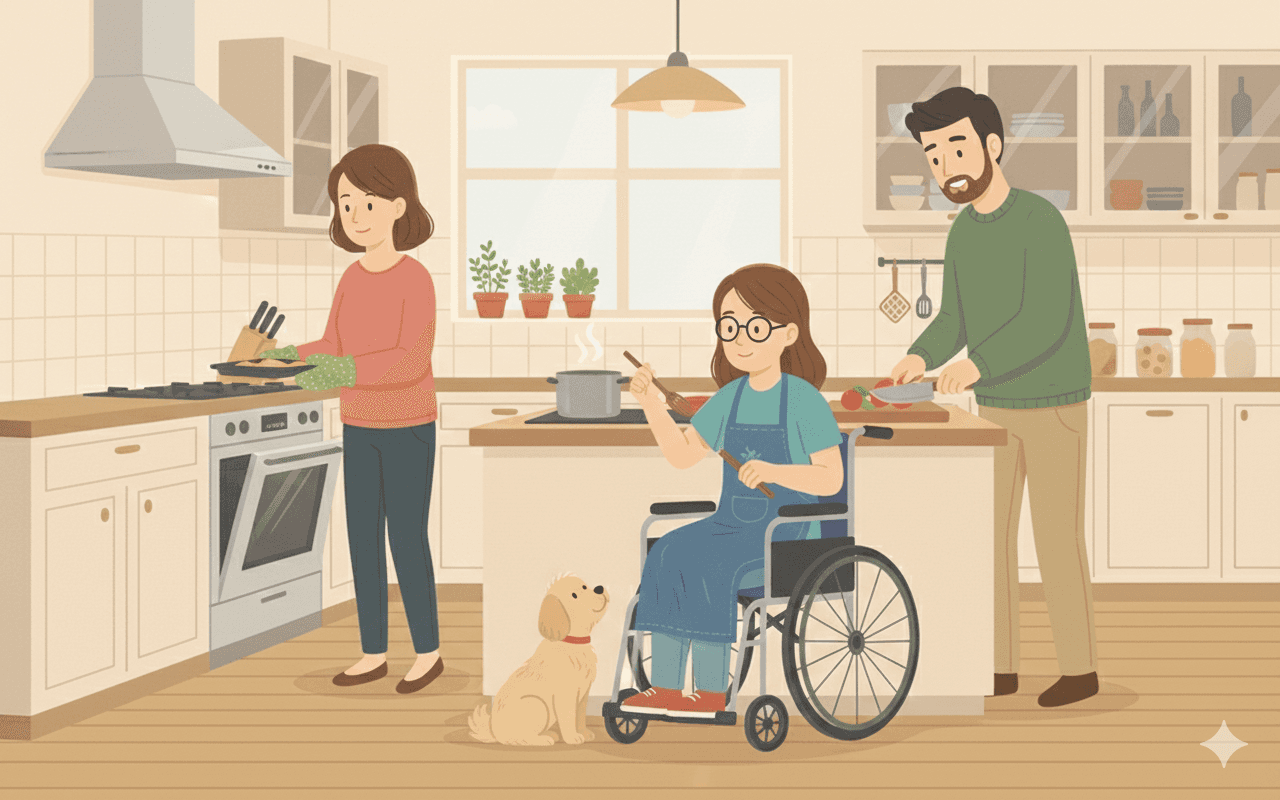
Need 24/7 residential support
Require extensive personal care assistance
Have complex medical or behavioral needs
Need a combination of multiple services (residential, day program, therapies)
Are transitioning from pediatric services to adult services and need comprehensive support
Think of the CDD waiver as the option for families who need the full continuum of care.
FSW Waiver: Family-Centered Support for Transitions
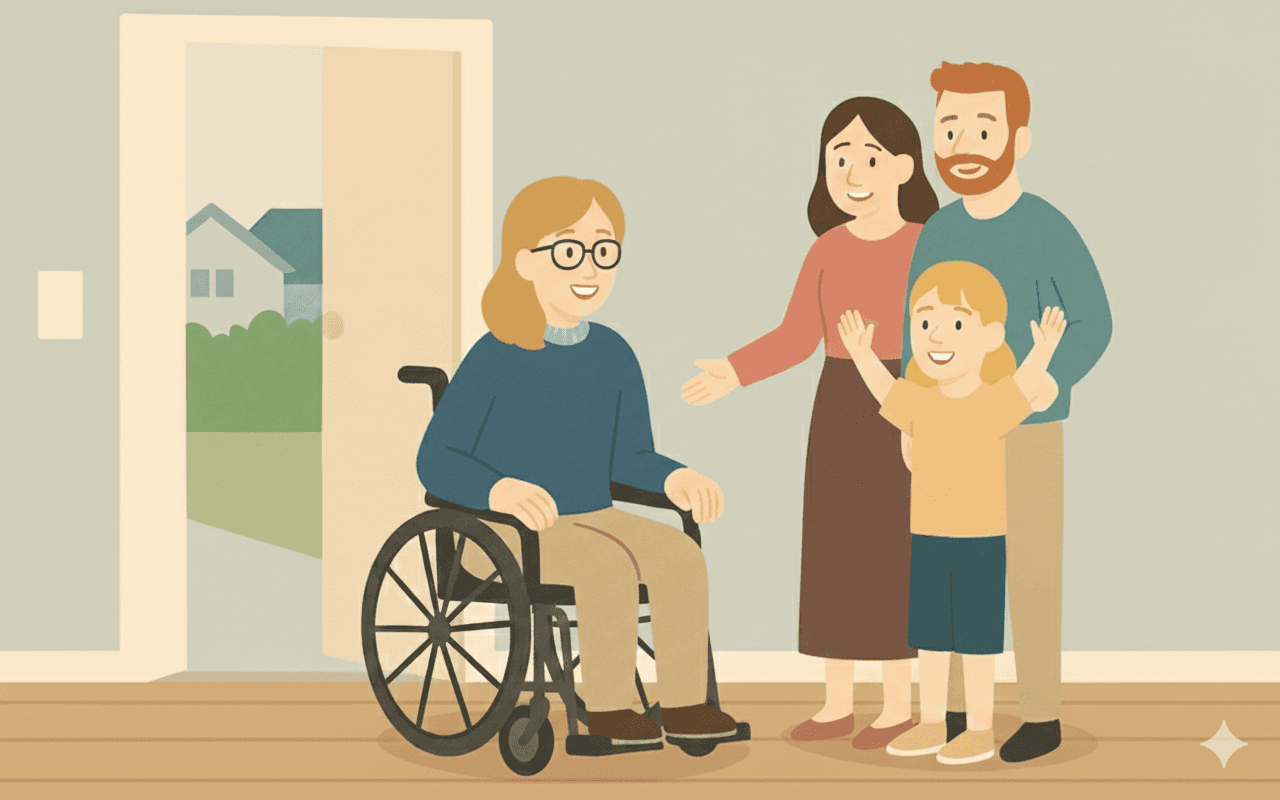
The Family Support Waiver (FSW) takes a different approach. It's designed specifically to support families who are caring for a loved one with IDD at home. The focus is on skill-building, family strengthening, and navigating life transitions.
Who Qualifies for the FSW Waiver?
To be eligible for the FSW waiver, an individual must:
Have a developmental disability
Be living with family or in their own home
Meet financial eligibility (again, based on the individual's income for adults)
The FSW waiver is designed for people with lower support needs who are living at home but still need services to develop skills, stay engaged in the community, and help their families manage caregiving.
What Services Does the FSW Waiver Cover?
The FSW waiver offers a more targeted set of services focused on family support and skill development:
In-Home and Community Services:
Supported Family Living (in-home support that can be provided by family members — this is where the "family-focused" piece really comes in)
Independent Living Services (skill-building in areas like cooking, budgeting, transportation, self-advocacy)
Day and Community Engagement:
Day Habilitation
Prevocational Services
Supported Employment
Learning and Development:
Caregiver Continuing Education (training and support for family caregivers)
Mentorship Network (connecting families with others who've been through similar experiences)
Family Unit Support (one-on-one training sessions to strengthen family capacity)
Respite:
Respite Care (temporary relief for family caregivers)
Therapies:
Occupational Therapy
Physical Therapy
Speech-Language Pathology
Behavioral Consultation
The FSW waiver doesn't cover 24/7 residential services. It's built around the assumption that the individual is living with family or independently, and the services are designed to support that living arrangement.
What Makes FSW Different?
The FSW waiver emphasizes transition support. It's particularly valuable for:
Adolescents and young adults aging out of special education (turning 21 and losing school-based services)
Families navigating the shift from pediatric to adult healthcare
Individuals working toward greater independence but not ready for fully independent living
Families who need skill-building support and caregiver training to manage at home
The FSW waiver also tends to have shorter wait times than the CDD waiver, making it more accessible for families who need services sooner rather than later.
Who Is the FSW Waiver For?
The FSW waiver is ideal for individuals who:
Live at home with family
Don't need 24/7 residential support
Are working on building independence skills
Are transitioning from school to adult life
Have families who are committed to caregiving but need support, training, and respite
Think of the FSW waiver as the option for families who want to keep their loved one at home but need tools, training, and services to make that sustainable.
Side-by-Side Comparison: CDD vs FSW
(*table will be optimized on the blog)
Here's a quick breakdown of how the two waivers compare:
Feature | CDD Waiver | FSW Waiver |
Level of Care Required | Institutional level of care (ICF/DD equivalent) | Does not require institutional level of care |
Residential Services | Yes — group homes, shared living, supported living | No — individual must live with family or independently |
LRI Personal Care | Yes — up to 70 hours/week | Yes – limited hours |
Supported Family Living | Yes | Yes |
Independent Living Services | Yes | Yes |
Day Habilitation | Yes | Yes |
Therapies | Yes | Yes |
Respite Care | Yes | Yes |
Caregiver Training/Family Support | Limited | Strong focus — includes Caregiver Continuing Education, Mentorship, Family Unit Support |
Waiting List | Typically yes | Shorter wait times |
Best For | Complex needs, 24/7 support, comprehensive services | Family caregivers, skill-building, transitions |
Can Someone Switch Between Waivers?
Yes. If someone's needs change over time, they can transition from one waiver to another.
For example:
A young adult might start on the FSW waiver while living at home with family after aging out of school. As they develop more independence skills and their family's capacity changes, they might transition to the CDD waiver for residential services.
Conversely, someone on the CDD waiver who moves back home with family and no longer needs 24/7 residential support might transition to the FSW waiver.
These transitions require reassessment and coordination with your case manager, but the system is designed to be flexible as needs evolve.
What About the DDAD Waiver?
You might also hear about the Developmental Disability Adult Day (DDAD) Waiver. This is a third option in Nebraska, focused specifically on daytime services for adults.
The DDAD waiver covers:
Day Habilitation
Prevocational Services
Supported Employment
LRI Personal Care (up to 25 hours per week for intermittent daytime support)
It's designed for individuals who don't need residential services but benefit from structured daytime activities and some personal care support during the day. It's less comprehensive than CDD but serves a specific niche for individuals who need daytime support without the full scope of FSW or CDD services.
How to Know Which Waiver Your Family Needs
Here are some questions to ask yourself:
Does your loved one need 24/7 residential support outside the family home?
If yes → CDD waiver
If no → FSW or DDAD waiver
Is your family committed to caregiving at home but needs training, respite, and skill-building services?
If yes → FSW waiver
Does your loved one have complex medical or behavioral needs requiring extensive services?
If yes → CDD waiver
Are you navigating a major life transition (aging out of school, moving toward independence, family capacity changing)?
If yes → FSW waiver is often the best starting point
Can you wait for services, or do you need support soon?
Need it sooner → FSW waiver (shorter wait times)
Can wait for more comprehensive services → CDD waiver
What Happens Next?
If you're trying to figure out which waiver is right for your family, the next step is connecting with a case manager or service coordinator through Nebraska DHHS. They'll:
Assess your loved one's needs
Explain eligibility for each waiver
Help you navigate the application process
Connect you with approved provider agencies
You don't have to figure this out alone. Service Coordinators are there to guide you, and approved provider agencies can offer support even before waiver approval comes through.
The Real Difference: What Families Need to Understand
Here's what it comes down to: the CDD waiver is built for people who need comprehensive, often 24/7 support across multiple areas of life. The FSW waiver is built for families who are doing the caregiving but need services, training, and support to make that sustainable over the long term.
Neither waiver is "better." They serve different needs at different stages of life. Some families will use the FSW waiver for years and never need the CDD waiver. Others will start with FSW and transition to CDD as needs change. Some will move between waivers depending on living situations and family capacity.
The waiver system exists to meet people where they are — and to adapt as life changes.
Trying to figure out which Nebraska waiver fits your family's situation? Connect with Alora Supports to talk through your options with a team that understands both waivers and how they work in real life.