Your Guide to the STAGE Assessment for Bridge Supports
A parent focused guide to the STAGE assessment and how it supports Bridge planning.

There is a moment many parents recognize.
You are doing everything you can to support your child. Life is moving along. And yet, you feel a quiet question forming in the background.
Are we focusing on the right things right now?
Not because something is wrong. But because goals are changing. Adulthood is approaching or already here. And the kind of support that worked before may need to shift. The STAGE assessment was created for that moment.
At Alora, STAGE is a core part of our Bridge Supports program. It helps families slow down, take stock, and plan thoughtfully for what comes next.
What the STAGE Assessment Is, in Plain Terms
STAGE stands for Skills Tracking and Growth Evaluation. While it is built on research and evidence based tools, the heart of it is simple. STAGE helps us understand where someone is today, what strengths they already have, and what skills might help them move closer to their goals.
For parents, STAGE often provides language for things you already sense. Maybe daily routines feel harder than they should. Maybe your child wants more independence, but you are unsure which skills to focus on first. STAGE brings clarity to those questions.
It is appropriate for individuals of all ages. It does not compare your child to others. Instead, it charts progress over time and helps everyone stay focused on growth that is meaningful and realistic.
How STAGE Is Used in Bridge Supports
Bridge Supports are built to meet people where they are in life, offering support that grows alongside them. That means the services need to be flexible, personal, and well matched. STAGE helps make that possible.
The assessment focuses on identifying strengths to build upon and areas where support could reduce stress or barriers. For example, someone may be very social but struggle with safety awareness. Or they may manage personal care well but need help organizing their day. Understanding those patterns helps us design support that fits real life, not a generic program.
In Bridge Supports, STAGE often guides decisions about what kind of help makes sense now and what skills to work on for the future. It helps ensure support feels purposeful instead of reactive.
What the STAGE Process Feels Like for Families
One of the most important things for parents to know is that STAGE is not a test. There are no right or wrong answers.
A qualified Alora staff member conducts the assessment in a conversational way. We talk with your child. We listen to you. We gather input from people who know your child well. The goal is collaboration, not evaluation.
Many parents tell us the process feels validating. It often confirms strengths that may go unnoticed day to day. It also gently surfaces areas where extra support could make life easier for everyone in the home.
Because the conversation is grounded in everyday life, families often leave with a clearer picture of what support could help now and what goals feel achievable over time.

The Skill Areas STAGE Looks At
STAGE looks across several domains that shape independence and quality of life.
Safety Skills focus on awareness, judgment, and navigating risks in daily settings.
Social Skills explore communication, relationships, and understanding social situations.
Independent Living Skills include routines like personal care, household tasks, time management, and money skills.
Leisure and Hobby Skills consider how someone spends free time, explores interests, and finds joy outside of obligations.
Understanding Rights and Responsibilities looks at boundaries, decision making, and self advocacy.
Risks capture mental health, behavioral health, and behaviors that may impact safety or daily functioning.
Together, these areas help create a full picture of support needs and opportunities for growth.
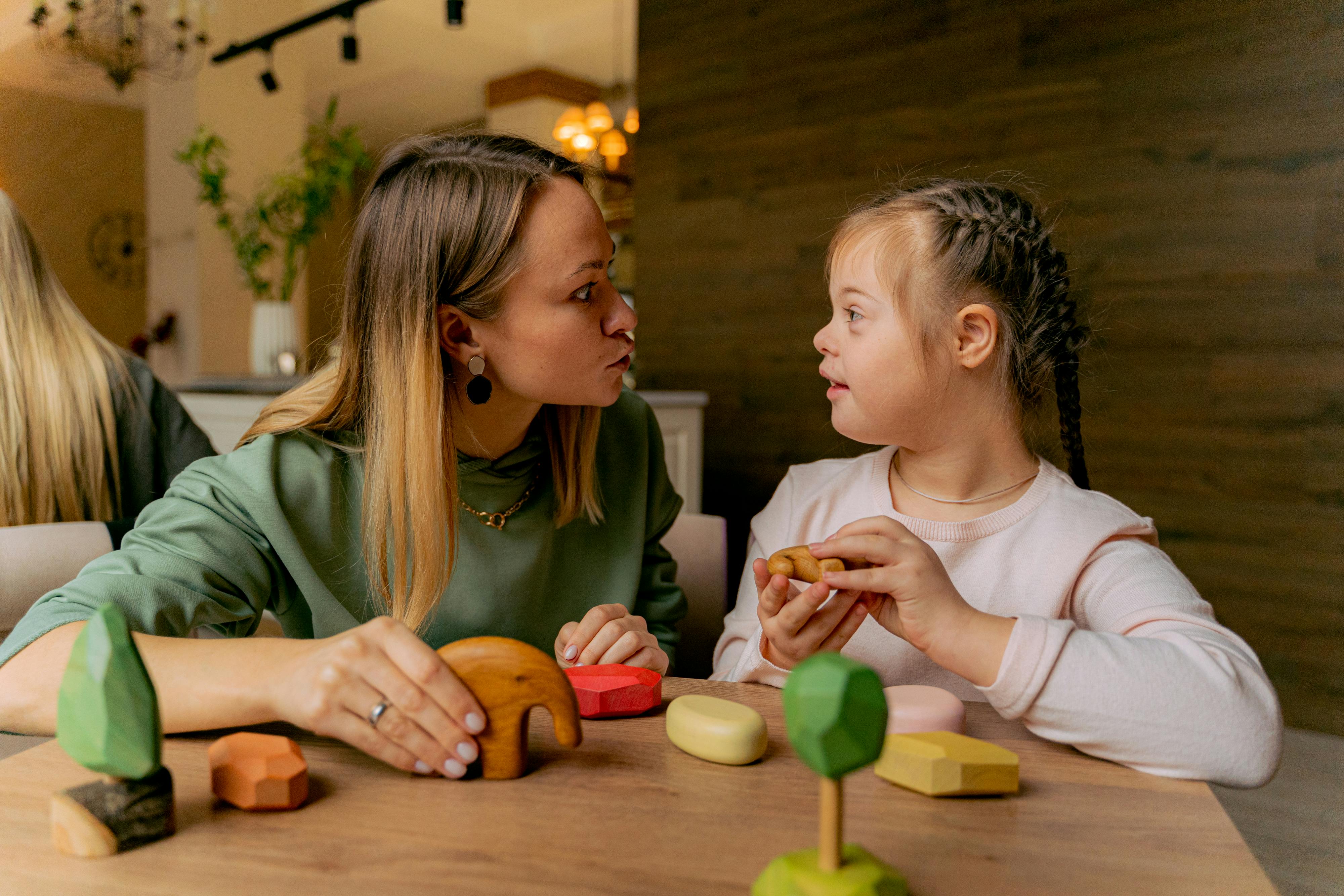
An inline image works well after this section. A calm planning moment or conversation at a table reinforces the collaborative nature of the process.
Why Parents Find STAGE Helpful
For many families, STAGE brings relief. It turns big, vague concerns into specific, manageable focus areas.
Parents often share that it helps them see progress more clearly. Skills that felt stalled are often developing slowly but steadily. Other areas become clearer priorities once they are named.
STAGE also supports long term planning. It helps families understand what skills will support goals like living more independently, managing finances, or becoming one’s own payee. Instead of guessing what to work on, families can move forward with intention.
Most importantly, STAGE keeps the focus on the person, not the system. Goals are individualized and aligned with what matters most to your child and your family.
How STAGE Shapes Support Moving Forward
At Alora, assessments are only useful if they lead to better support. STAGE helps us tailor Bridge Supports so they fit your family’s real rhythms.
If support is being provided in the family home, STAGE helps identify where hands on help could reduce stress. If support is being added to help someone stay independent in their own home, STAGE helps guide which skills to strengthen first.
Because STAGE can be revisited over time, it also allows support to evolve. As skills grow and goals change, services can shift with them.
Closing Thoughts
Parenting does not come with a roadmap. Supporting a child with intellectual or developmental disabilities adds another layer of complexity and care.
The STAGE assessment is one way Alora helps families pause, reflect, and move forward with confidence. It brings clarity without judgment and structure without rigidity.
This is what thoughtful support can look like. Come on in.